
As cyber fraud continues to rise rapidly across the country, a new scam on WhatsApp—called the “Blurry Image Scam”—is targeting users with emotional manipulation and malicious links. This deceptively simple trick can compromise your data, steal your money, and even hack your phone. Here’s everything you need to know to stay protected.
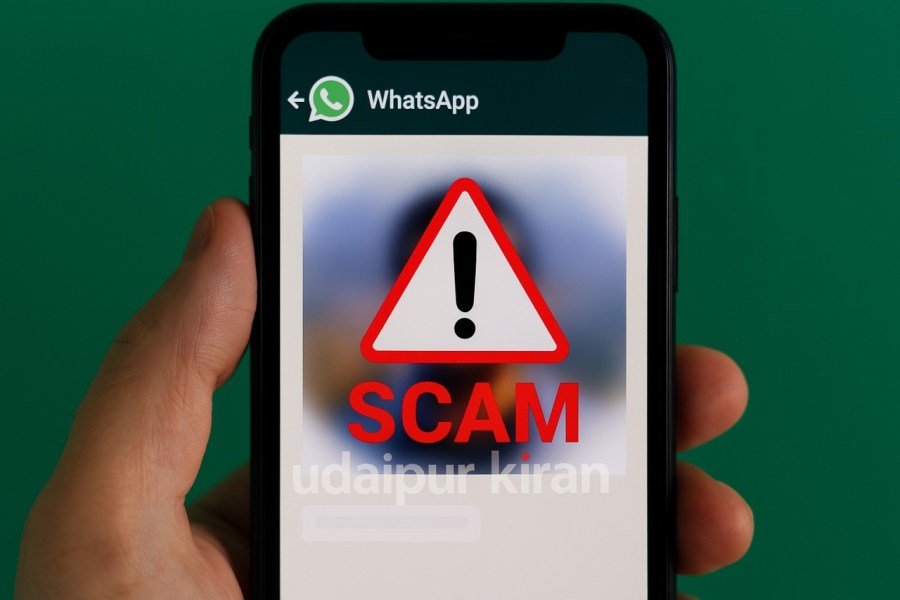
What Is the WhatsApp Blurry Image Scam?
In this scam, you receive a blurry photo from an unknown number accompanied by a curiosity-piquing message like:

-
“Is this you?”
-
“Look who’s in this picture!”
-
“This looks like your old photo!”
Naturally, many people are tempted to click on the image to see what it is. However, when you do, you’re redirected to a fake website via a malicious link. The site may:
-
Ask for personal information like your bank account, passwords, or OTP
-
Install spyware or viruses onto your device
-
Compromise your WhatsApp, social media, or email accounts
-
Drain money from your bank account
Dangers of Clicking That Blurry Image
If you fall for the trap, you may end up with:
-
Hacked device or accounts
-
Stolen identity or private data
-
Empty bank balance
-
Severely damaged phone performance
This scam is not just about tricking the user—it’s a well-organized cyberattack aiming to steal sensitive information and gain unauthorized access to personal data.

How to Protect Yourself from the Scam
Follow these simple and effective steps to stay safe:
-
 Never click on images or links from unknown WhatsApp numbers.
 -
 Update your privacy settings to restrict who can contact you or add you to groups.
 -
 Enable Two-Step Verification on WhatsApp for an extra layer of security.
 -
 Install trusted anti-virus software on your smartphone.
 -
 If you click accidentally, change all your passwords immediately.
 -
 Contact your bank instantly if you suspect any data has been leaked to get your accounts temporarily blocked.
 -
 Report and block the number on WhatsApp to help others stay protected.
Final Advice: Be Aware, Stay Secure
Cybercriminals are constantly coming up with new tricks to fool unsuspecting users. The Blurry Image Scam is just one example of how social engineering is used to exploit trust and curiosity. Always be cautious with unknown messages and links, and educate friends and family, especially those who may not be tech-savvy.
Author Profile

- My name is Ganpat Singh Choughan. I am an experienced content writer with 7 years of expertise in the field. Currently, I contribute to Daily Kiran, creating engaging and informative content across a variety of categories including technology, health, travel, education, and automobiles. My goal is to deliver accurate, insightful, and captivating information through my words to help readers stay informed and empowered.
Latest entries
 HEADLINESMay 11, 2026Local Watchmen Honored with Bicycles to Enhance Village Security
 EducationMay 11, 2026Major Allegations of NEET Paper Leak by Rajasthan Congress President Dotasra
 HEADLINESMay 11, 2026Himirpur Shines Again: Secures Second Place in State Development Rankings for April 2026
 PoliticsMay 11, 2026BJP MP CP Joshi Engages with Villagers in Bhilwara to Review Development Initiatives