
Bad Credit History Can Block Your Loan Eligibility Here’s What You Need to Know
NEW DELHI — In an important update for existing and aspiring loan borrowers, banks across India have tightened their lending norms. Individuals who have defaulted on previous loans are now less likely to get approval for new credit due to the negative impact on their credit score and repayment history.
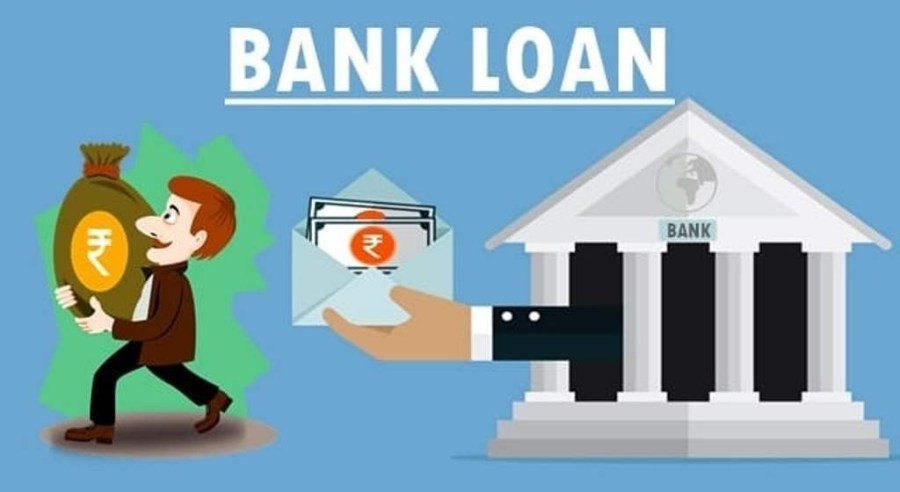
If you’re unable to repay your loan on time, you may be marked as a loan defaulter, which can trigger serious financial consequences, including rejection of future loans, poor credit reputation, and legal recovery actions by the lending institution.

 Who Will Not Be Eligible for a Bank Loan?
Banks and financial institutions check credit reports thoroughly before approving any loan. If a person has a low credit score due to missed EMIs or defaulting on past loans, banks are likely to reject the application. Here are the key reasons why your loan could be declined:
-
Loan default or late repayments
-
Low credit score (typically below 650)
-
High outstanding debts
-
Poor repayment history in CIBIL/credit bureau records
-
No proper income documentation
 What Happens if You Default on a Loan?
-
Credit Score Drop: Your credit score will sharply decline, affecting your financial credibility.
-
Reporting to Credit Bureaus: Banks report all defaults to agencies like CIBIL, impacting your profile across lenders.
-
Recovery Actions: For secured loans, the bank can auction the pledged asset to recover its dues.
-
Difficulty in Getting Credit Cards or Future Loans

 What Should You Do if You’ve Defaulted?
-
Start Repaying Immediately: Talk to your lender and work out a repayment plan. Clearing dues, even partially, helps rebuild trust.
-
Avoid New Loans Temporarily: Focus on improving your credit history first.
-
Make Timely Payments: Even small, regular repayments can boost your credit score over time.
-
Wait Before Reapplying: Allow 6–12 months of improved financial behavior before applying again.
 When Can You Apply for a New Loan Again?
If you’ve defaulted before, do not rush into applying for a new loan. Instead:

-
Reduce your outstanding dues
-
Build a savings buffer
-
Maintain consistent EMI payments
-
Monitor your credit report for improvements
Once your credit score begins to rise and financial discipline is visible, lenders may be more open to considering your new loan application. This not only improves your chances of approval but also ensures lower interest rates and better loan terms in the future.
 Expert Tip:
If your financial situation has stabilized and there’s no urgent need for funds, it’s better to delay your loan application. Focus on rebuilding creditworthiness and creating financial security, so that future loans are easier to obtain and manage.

Author Profile

- My name is Ganpat Singh Choughan. I am an experienced content writer with 7 years of expertise in the field. Currently, I contribute to Daily Kiran, creating engaging and informative content across a variety of categories including technology, health, travel, education, and automobiles. My goal is to deliver accurate, insightful, and captivating information through my words to help readers stay informed and empowered.
Latest entries
 International NewsFebruary 28, 2026Concerns Rise Over Extrajudicial Killings of Baloch Students in Pakistan
 Politics, NationalFebruary 28, 2026Sandeep Dikshit Comments on Kejriwals Release in Liquor Policy Case
 Politics, NationalFebruary 28, 2026Rahul Gandhi Urges Finance Minister to Increase ECHS Funding and Remove Tax on Disability Pension
 Politics, NationalFebruary 28, 2026Kiren Rijiju Responds to Kejriwal and Sisodias Acquittal in CBI Case
 Follow Us on WhatsApp
Leave a Comment