
Brussels, April 21 Beginning June 20, 2025, consumers across the European Union will notice a new label inside every smartphone and tablet box. The EU-mandated battery life and efficiency sticker marks a significant step toward greater transparency in tech, offering users critical information about a device’s durability, repairability, and energy performance — much like the energy labels already seen on refrigerators and washing machines.
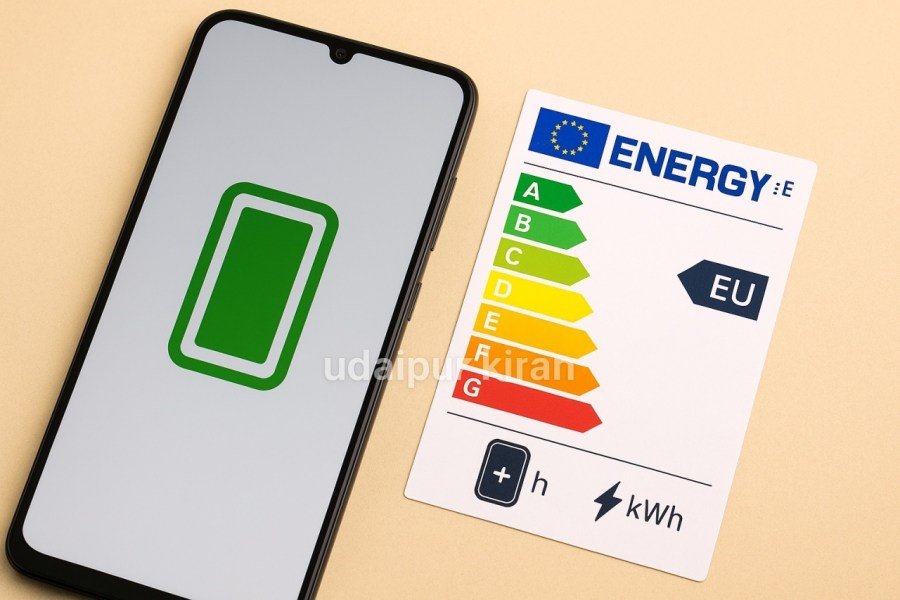
This regulation is part of the EU’s broader Ecodesign Directive, aimed at reducing carbon emissions, electronic waste, and long-term consumer costs by empowering smarter purchasing decisions.

 Which Devices Will Feature the New Label?
The new rules apply to:
-
Smartphones (for cellular/satellite networks)
-
Feature phones (without internet or third-party apps)
-
Tablets with screens between 7 and 17.4 inches
-
Cordless phones (landline use)
Exemptions include:
-
Devices with flexible/unrollable displays
-
Products already on the market before June 20, 2025
 Five Key Ecodesign Criteria Manufacturers Must Meet
-
Durability: Devices must resist accidental drops, water, and dust exposure
-
Battery Longevity: Batteries must withstand 800 full charge cycles with 80% capacity retention
-
Repairability: Spare parts must be available for 7 years, with delivery in 5–10 working days
-
Software Support: At least 5 years of OS updates from the product’s end-of-sale date
-
Repair Access: Non-discriminatory software access for authorized repair professionals
 What Does the New Label Show?
The EPREL (European Product Registry for Energy Labelling) sticker will include:
-
Battery life indicators
-
Charging cycle durability
-
Water/dust resistance ratings
-
Repairability score
-
Software support timeline
-
Manufacturer and model details
-
QR code for full registry access
This 7-point label aims to become a standardized comparison tool for EU consumers.
 Testing and Enforcement
While manufacturers must self-declare data, the European Commission will validate key parameters, especially around IP ratings, repair standards, and battery performance.
Third-party testing organizations such as SmartViser, in collaboration with digital media platforms like GSMArena, are expected to assist with independent certification and test protocols to maintain integrity and trust.

 What It Means for Consumers — And the Industry
This move is part of the EU’s Green Deal goals, aiming to reduce CO₂ emissions by 46 million tonnes and save European households up to €150 annually through more energy-efficient choices.
More importantly, it’s likely to set a global precedent. Many tech companies already streamline manufacturing for multiple markets — meaning these durability, battery, and repairability improvements could benefit consumers worldwide, not just within Europe.

Author Profile

- My name is Ganpat Singh Choughan. I am an experienced content writer with 7 years of expertise in the field. Currently, I contribute to Daily Kiran, creating engaging and informative content across a variety of categories including technology, health, travel, education, and automobiles. My goal is to deliver accurate, insightful, and captivating information through my words to help readers stay informed and empowered.
Latest entries
 RAJASTHANApril 13, 2026Police Seize Illegal Brown Sugar and Arrest Two in Salmgarh Operation
 RAJASTHANApril 13, 2026Action Taken Against Illegal Sand Transportation; Dumper Detained
 HEADLINESApril 13, 2026Political Tensions Rise Over Rajasthans Ambitious Refinery Project
 HEADLINESApril 13, 2026Sachin Pilot Criticizes BJP Government and Election Commission in Tonk