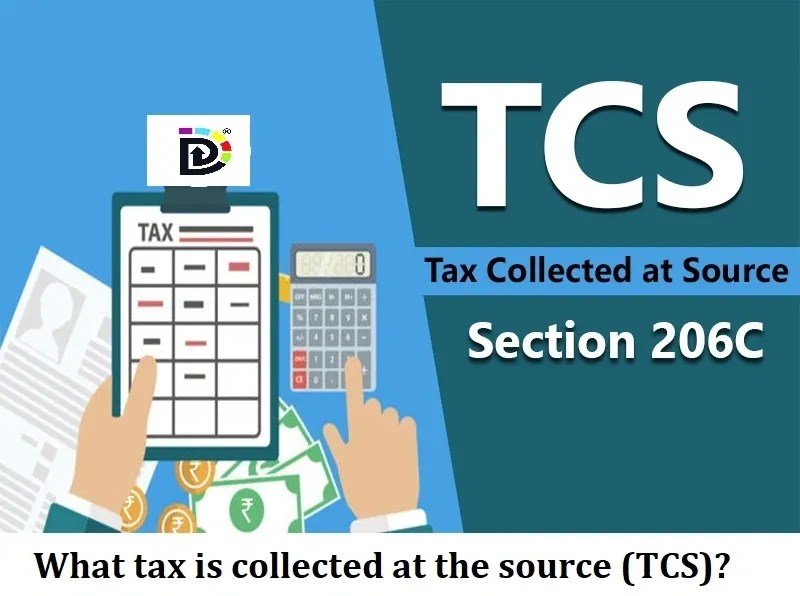
In a significant policy update aimed at curbing tax evasion and promoting financial transparency, the Indian government has implemented revised Tax Collected at Source (TCS) rules effective from April 22, 2025. As per the new guidelines, buyers who fail to furnish their Permanent Account Number (PAN) will now be subject to 20% TCS, up from the previous 2%. This sharp increase is expected to have a major impact on high-value purchases in the luxury segment.
What Is Covered Under the New TCS Rule?
The new TCS provisions are applicable to a specific list of luxury goods where the transaction value exceeds ₹10 lakh. The goods included in the notification are:

-
Wrist watches
-
Art pieces, paintings, sculptures
-
Coins and stamps
-
Yachts, helicopters, and boats (including rowing boats and canoes)
-
Sunglasses, handbags, purses, shoes
-
Sports gear such as golf kits, ski equipment
-
Home theater systems
-
Racing and polo horses
These items have been classified under luxury or high-end discretionary spending, and purchases beyond the ₹10 lakh threshold will now invite 20% TCS if the buyer fails to provide a valid PAN.
Government’s Objective: Transparency, Not Revenue
The primary goal of the revised TCS policy is not to boost revenue collection, but to enhance income traceability, discourage under-reporting, and prevent tax evasion. The government is focusing on promoting compliance among high-spending individuals who may be indulging in lavish lifestyles without proper disclosure of income sources.

A senior official clarified, “The intent is to ensure that large transactions, especially involving luxury items, are transparent and can be linked to the buyer’s tax profile. This is part of a broader effort to curb undisclosed wealth.”
A Word of Caution for High-Spenders
If you are considering purchasing luxury goods listed under the new rule, do not forget to provide your PAN at the time of purchase. Failing to do so will result in a steep 20% TCS charge, which, for instance, translates to ₹2 lakh tax on a ₹10 lakh purchase.

Providing your PAN ensures that the transaction is correctly reported and linked to your income tax records, which can help avoid future scrutiny and penalties.
Author Profile

- My name is Ganpat Singh Choughan. I am an experienced content writer with 7 years of expertise in the field. Currently, I contribute to Daily Kiran, creating engaging and informative content across a variety of categories including technology, health, travel, education, and automobiles. My goal is to deliver accurate, insightful, and captivating information through my words to help readers stay informed and empowered.
Latest entries
 RAJASTHANMarch 22, 2026District Magistrate Inspects Development Works on Noon River, Orders Strict Action for Negligence
 UDAIPURMarch 21, 2026Panch Gaurav Swimming Training Camp Focuses on Technical Skills and Motivation
 UDAIPURMarch 20, 2026Three-Day Exhibition on Mewar Archives Concludes in Udaipur
 UDAIPURMarch 20, 2026Successful Completion of State-Level Mask Workshop