
New Delhi, April 19 — In a groundbreaking move to streamline highway travel in India, the Ministry of Road Transport and Highways has announced that toll collection will soon transition to a GPS-based system, eliminating the need for physical FASTag scanners at toll booths. The new system will roll out starting May 1, bringing significant changes for vehicle owners across the country.
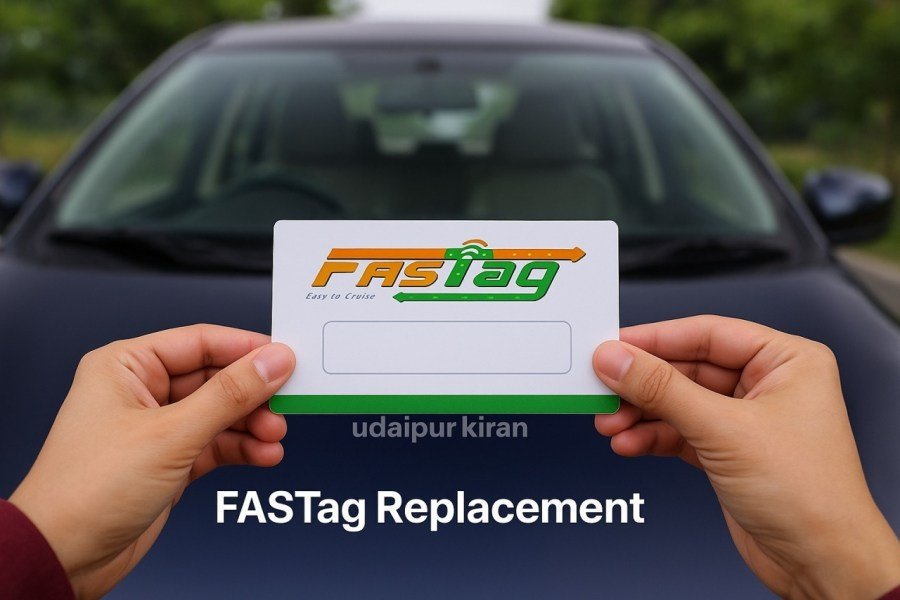
GPS-Based Toll Collection to Replace FASTag
Introduced in 2016, FASTag revolutionized India’s toll system by allowing automatic payments through RFID tags installed on vehicle windshields. However, ongoing challenges such as unscanned tags, misuse, and traffic congestion at toll plazas have led to the development of a more efficient alternative.

Beginning next month, toll charges will be calculated using Global Positioning System (GPS) technology, tracked through an On-Board Unit (OBU) installed in vehicles. The new OBU system will track the exact distance traveled on highways and deduct toll charges accordingly — directly from a user’s linked bank account or digital wallet.
Key Benefits of the New Toll System
-
Pay As You Drive: Users will be charged only for the distance traveled, rather than paying the full toll for an entire route.
-
No More Toll Booths: The system aims to eliminate physical toll plazas, reducing travel time and congestion.
-
Improved Accuracy and Reduced Fraud: Automated tracking via GPS reduces the chance of human error or manipulation.
-
Lower Emissions: With no stops at toll booths, fuel consumption and vehicle emissions will decrease significantly.

Phased Rollout and Vehicle Requirements
The government has confirmed that the new GPS tolling system will initially launch for commercial vehicles such as trucks and buses. It will then gradually expand to include private cars and two-wheelers. As part of the rollout, OBUs will be installed in vehicles by authorized centers.
Vehicle owners are advised to start preparing for the transition by staying informed and ensuring OBU installation once notified. The government plans to provide online support and help centers nationwide for smooth implementation.

Data Privacy Assurances
Addressing privacy concerns, officials clarified that the GPS system will operate through India’s own satellite navigation system, NavIC, rather than foreign platforms. This ensures that user data remains secure and confined within the country.
What to Expect from May 1
Starting in select regions and for heavy vehicles, the new GPS toll deduction model marks a major digital leap in India’s transport infrastructure. The initiative is expected to boost travel efficiency, reduce pollution, and improve user convenience — setting the stage for a nationwide transformation in road tolling.

Author Profile

- My name is Ganpat Singh Choughan. I am an experienced content writer with 7 years of expertise in the field. Currently, I contribute to Daily Kiran, creating engaging and informative content across a variety of categories including technology, health, travel, education, and automobiles. My goal is to deliver accurate, insightful, and captivating information through my words to help readers stay informed and empowered.
Latest entries
 UDAIPURMarch 26, 2026Successful Parent Orientation Program at Rockwoods International School
 UDAIPURMarch 25, 2026Udaipur Launches 100-Day TB-Free India Campaign
 UDAIPURMarch 25, 2026Celebrating World Theatre Day: Parsai Ka Sansar to Be Staged on March 27
 UDAIPURMarch 25, 2026Over 1,100 Rural Residents Benefit from Health Camps in Rajasthan and Uttarakhand