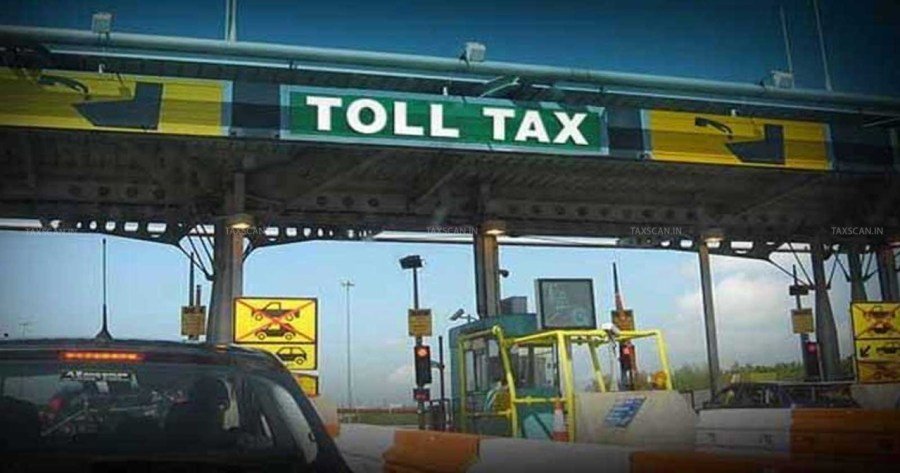
In a move set to benefit millions of highway commuters across India, the Central Government is considering a major overhaul of the existing toll tax structure on national highways and expressways. The Ministry of Road Transport and Highways is evaluating two key proposals that could bring substantial relief to private vehicle owners.
Two Major Proposals on the Table
According to sources familiar with the matter, the ministry has greenlit two transformative proposals. The first suggests waiving toll charges on 2.5-lane and narrower national highways, aiming to ease the financial burden on rural and semi-urban commuters. The second recommends offering an annual unlimited travel toll pass for private cars at a fixed cost of ₹3,000.
These proposals are now under review by the Ministry of Finance, as their implementation could impact government revenue from toll collections. However, initial assessments indicate that exempting tolls on narrower roads would not lead to significant revenue loss, as these roads represent a small fraction of toll collections.
Nitin Gadkari Pushes for Long-Term Toll Reform
Union Road Transport Minister Nitin Gadkari has consistently advocated for a more commuter-friendly toll system. He has proposed both annual and lifetime passes for private vehicles and has reiterated the government’s commitment to reducing toll-related grievances.
During a recent review meeting, Gadkari reportedly instructed officials to evaluate making tolls optional on two-lane paved roads, which currently incur tolls 64% lower than four-lane highways. The initiative is part of a broader effort to optimize toll collection while enhancing convenience for everyday travelers.
Limited Impact on Government Revenue Expected
There are fewer than 50 toll plazas on such narrower highways across the country, most of which are public-funded and managed by government agencies. Many of these roads already operate at a financial deficit, with toll collections falling short of maintenance and construction costs. Eliminating tolls on these stretches is expected to have a limited fiscal impact.
On the other hand, four-lane and expressway toll roads, typically managed by private concessionaires, form the backbone of toll revenues. Government data for 2024–25 indicates a total toll income of ₹61,000 crore, with only about 20–21% of that coming from private vehicles. The lion’s share—nearly 80%—is contributed by commercial and heavy vehicles.
Introducing an annual toll pass for private vehicles may require the government to compensate private firms for any revenue loss, a factor that the finance ministry will weigh carefully in its decision.
What This Means for Commuters
If approved, the reforms could significantly reduce travel costs for regular highway users, streamline toll payments, and reduce congestion at toll plazas. More importantly, the initiative reflects the government’s focus on promoting affordable and accessible infrastructure for all citizens.







 HEADLINESApril 30, 2026Opposition Leader Criticizes BJP Government: No Public Hearing, No Respect for Women; Complete Failure
 HEADLINESApril 30, 2026Activist Naresh Meena Protests Inside Police Station Over Delayed Medical Aid for Accident Victim
 HEADLINESApril 29, 2026BJP Leaders Outburst Highlights Safety Concerns During Torch Rally in Jaipur
 HEADLINESApril 29, 2026BJP Leader Praises Sachin Pilot as a Good and Simple Leader