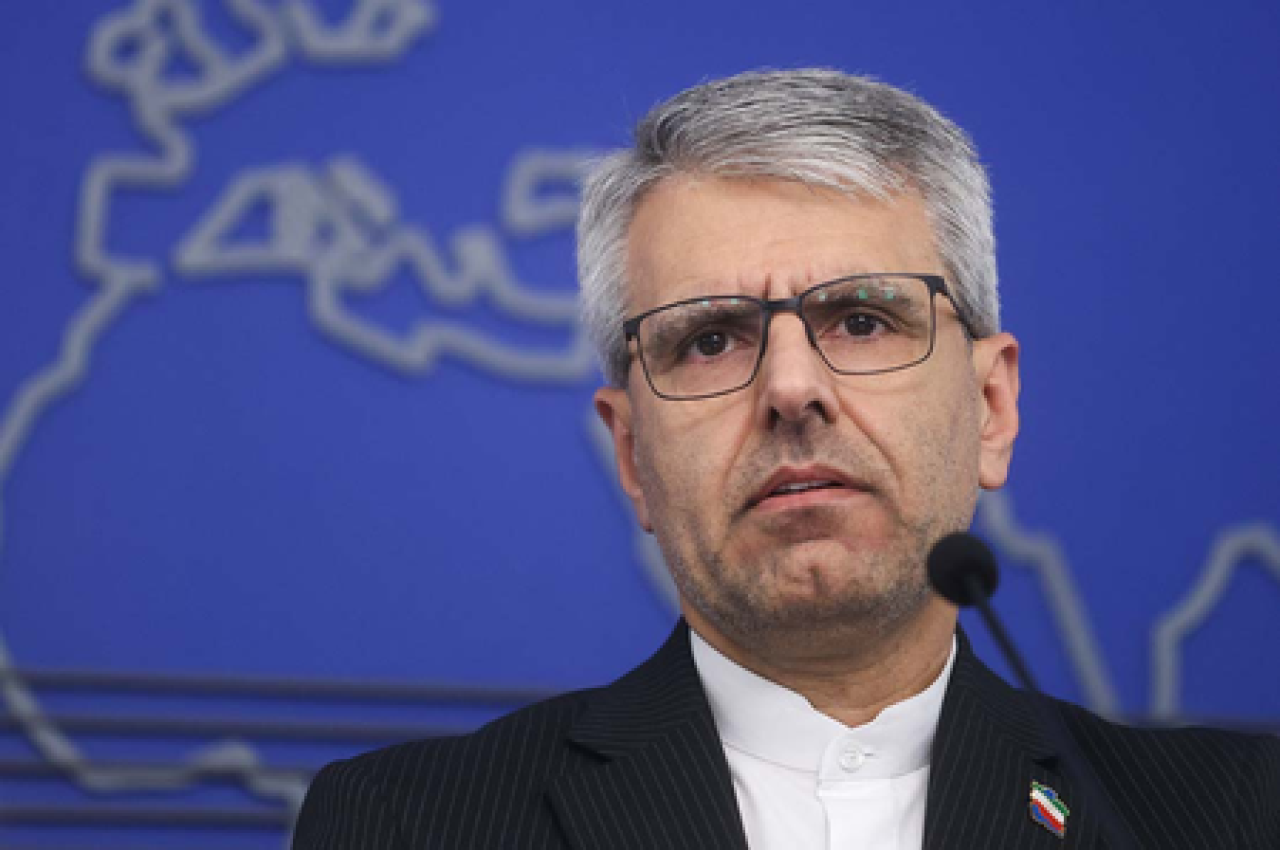
Beijing, May 4: Iran is currently reviewing the United States’ response to a 14-point proposal, mediated by Pakistan. This development highlights the ongoing complexities in Iran-U.S. relations, particularly in light of broader geopolitical tensions.
Iran’s Foreign Ministry spokesperson, Ismail Baghaei, stated that the U.S. has provided feedback on the proposal, which aims primarily to end hostilities. However, he emphasized that discussions on nuclear issues are not part of the current negotiations. “At this time, we are not engaging in nuclear talks,” Baghaei clarified, indicating that the nuclear agenda does not factor into Iran’s plan to conclude the ongoing conflict.
The proposal, disclosed by the Tasnim News Agency, was recently presented to the U.S. through Pakistan. Its core objective is to bring an end to the war, reflecting Iran’s strategic priorities. Additionally, Baghaei dismissed claims regarding Iran’s commitment to removing mines in the Strait of Hormuz as mere media fabrications. He reiterated that Iran will not accept negotiations under ultimatums or imposed deadlines.
📊 Key Facts:
– The 14-point proposal aims to end hostilities.
– U.S. feedback was mediated through Pakistan.
– Nuclear issues are currently off the table in negotiations.
🧠 Analysis:
This situation arises from a mix of diplomatic maneuvering and regional security concerns. Iran’s insistence on separating nuclear discussions from peace talks suggests a strategic decision to prioritize immediate conflict resolution over long-term nuclear negotiations. This approach could be a tactic to strengthen Iran’s bargaining position while avoiding the complexities of nuclear diplomacy at this juncture.
⚖️ Comparison:
In comparison to previous negotiations, such as the 2015 Joint Comprehensive Plan of Action (JCPOA), this current dialogue marks a shift in focus. The JCPOA heavily centered on nuclear capabilities, while the recent proposal emphasizes an immediate cessation of hostilities. This shift could indicate a broader strategic pivot in Iran’s foreign policy.
📈 Impact:
For users and stakeholders, this development signals a potential thaw in hostilities, which could lead to improved regional stability. However, the exclusion of nuclear discussions raises questions about the future of Iran’s nuclear program and its implications for international relations.
🔮 Future Outlook:
As Iran continues to evaluate the U.S. response, the next steps will be crucial. If both sides can find common ground on the 14-point proposal, it may pave the way for further discussions. However, the lack of nuclear dialogue could lead to prolonged tensions if not addressed in the future.
⭐ Why this matters to you:
This situation affects global oil markets and international security. Understanding these dynamics can help individuals and businesses prepare for potential shifts in geopolitical stability.
META TITLE: Iran Reviews U.S. Response to 14-Point Proposal
META DESCRIPTION: Iran assesses U.S. feedback on a 14-point proposal aimed at ending hostilities, signaling potential shifts in diplomatic relations.
Author Profile

- My name is Kuldeep Singh Chundawat. I am an experienced content writer with several years of expertise in the field. Currently, I contribute to Daily Kiran, creating engaging and informative content across a variety of categories including technology, health, travel, education, and automobiles. My goal is to deliver accurate, insightful, and captivating information through my words to help readers stay informed and empowered.
Latest entries
 PoliticsMay 24, 2026BJP Leaders Emphasize National Service and Cultural Nationalism at Training Camp
 HEADLINESMay 24, 2026Barmers Giral Lignite Mines Protest Gains Momentum as MLA Writes Blood Letter to Amit Shah
 PoliticsMay 24, 2026BJP Concludes Training Camp in Deshnok, Calls for Strengthening Organization at Booth Level
 PoliticsMay 24, 2026Ashok Gehlot Pays Tribute to Rajiv Gandhi on Sacrifice Day with Musical Evening