


April 9, 2025 Washington, D.C. The simmering trade tensions between the United States and China have reached a new high as President Donald Trump announced a 104% tariff on select Chinese imports, effective from midnight, April 9. The move is a direct response to China’s recent imposition of a 34% additional tariff on American goods.
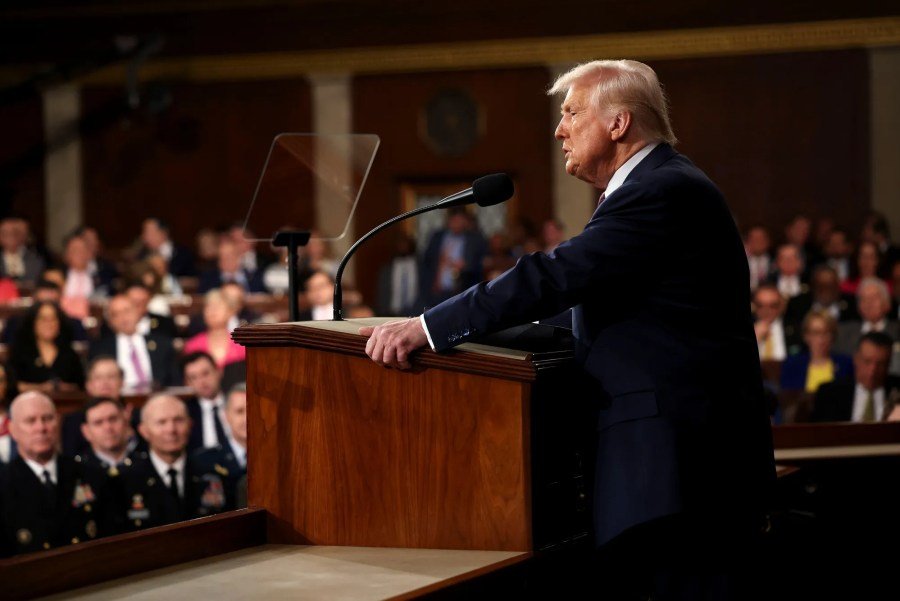
White House Confirms Aggressive Trade Retaliation
White House Press Secretary Karine Jean-Pierre, in an official briefing, confirmed the administration’s decision following Beijing’s refusal to roll back its own tariffs.

“America will defend its economic interests and will not tolerate China’s unfair trade practices,” Jean-Pierre stated. “The 104% tariff will be enforced starting April 9.”
This bold escalation significantly exceeds Trump’s earlier threat of a 50% surcharge, underscoring Washington’s firm stance against what it deems predatory trade behavior from Beijing.

Background: Rising Tariff Tensions
According to Fox Business, Trump had issued a deadline to China, warning of additional tariffs unless the 34% levy imposed by Beijing was withdrawn by April 8. With no reversal from the Chinese side, the U.S. followed through, not just with the threatened tariff, but by more than doubling it.
The 104% tariff will target key import categories, though the White House has yet to specify which goods will be affected.
China Reacts Strongly, Vows to Retaliate
China’s Ministry of Commerce condemned the U.S. decision, calling it “a mistake piled upon another mistake” and warned of further retaliatory action. In a strongly worded statement, the ministry said:

“China will fight till the end. This decision will harm bilateral trade and inject further instability into global markets.”
Analysts warn that this tit-for-tat escalation could spark new disruptions in global supply chains and trigger uncertainty in financial markets, with tech, automotive, and manufacturing sectors likely to be hit the hardest.
Global Economic Implications
The latest tariff move could have wide-reaching consequences, including:
-
Increased prices for consumer goods in the U.S.
-
Disruption in semiconductor and electronics supply chains
-
Stock market volatility as global investors react
-
Rising tension within the WTO and global trade bodies
Economists have cautioned that a prolonged tariff war could dampen post-pandemic global recovery, especially in export-dependent nations.
What’s Next?
With both Washington and Beijing digging in their heels, trade experts believe further rounds of tariffs, sanctions, and regulatory hurdles may follow. Talks between the two nations have stalled, and there are no immediate signs of de-escalation.

As markets brace for the fallout, businesses on both sides of the Pacific are being urged to reassess supply strategies and prepare for a prolonged period of uncertainty.
Author Profile

- My name is Ganpat Singh Choughan. I am an experienced content writer with 7 years of expertise in the field. Currently, I contribute to Daily Kiran, creating engaging and informative content across a variety of categories including technology, health, travel, education, and automobiles. My goal is to deliver accurate, insightful, and captivating information through my words to help readers stay informed and empowered.
Latest entries
 PoliticsMay 26, 2026BJP State President Madan Rathore Visits Temples in Bikaner, Prays for Prosperity
 PoliticsMay 26, 2026Sachin Pilot Criticizes Government for Delaying Local Elections in Tonk
 PoliticsMay 25, 2026BJP President Madan Rathore Heads to Bikaner Ahead of Amit Shahs Visit
 PoliticsMay 25, 2026Congress Leaders Visit Ajmer Sharif Dargah, Seek Blessings for Peace and Prosperity
